What is Keder?
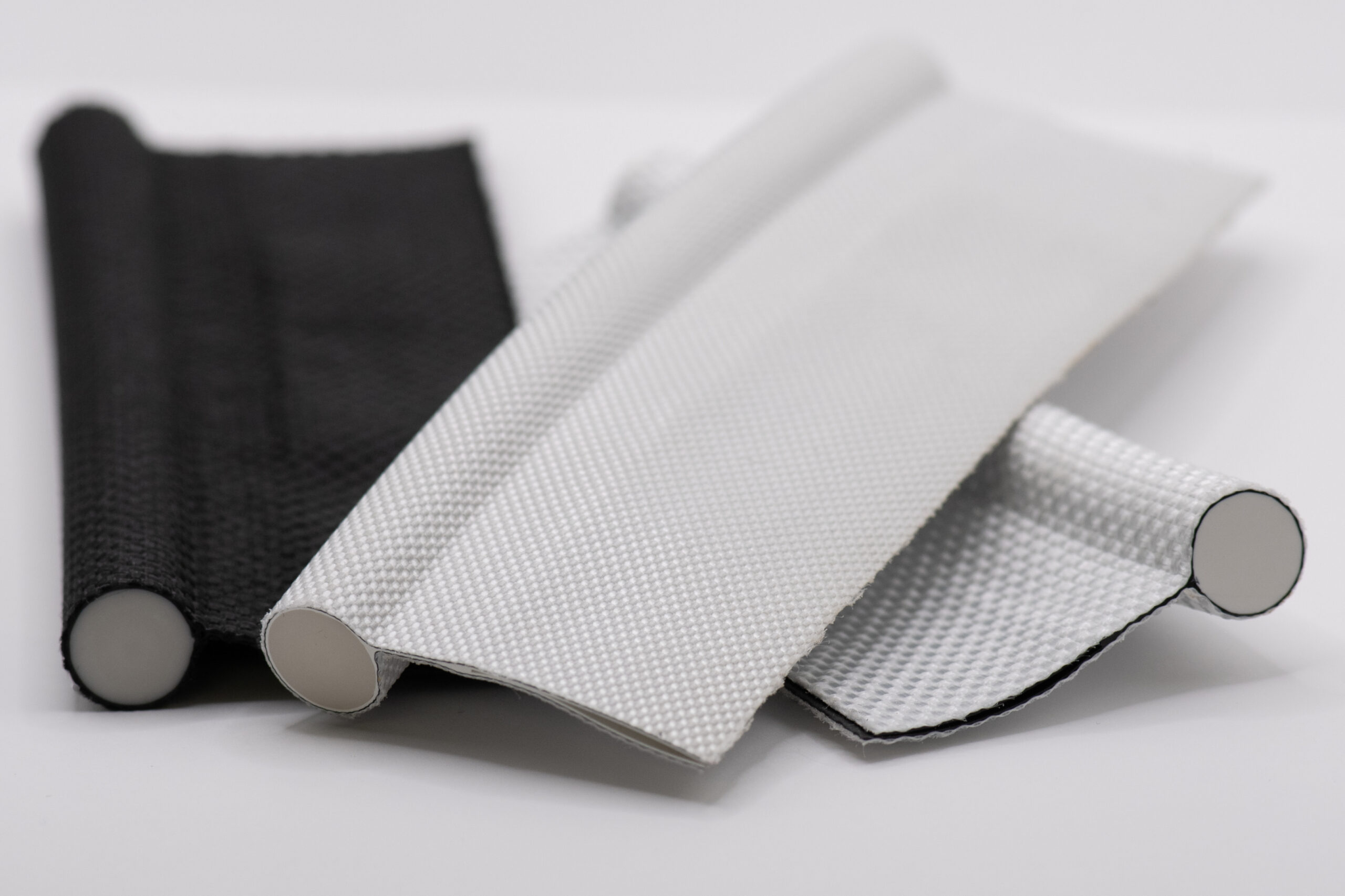
Keder (sometimes spelled “kedar” or called “keder welt”) is a straightforward and secure mounting system for fabric and other textile products. It consists of two core components: a fabric and a core. The core is typically made from a flexible PVC but can also be made from rope or other materials. The keder fabric is typically made of a polyester and vinyl fabric that is heat welded tightly around the core.
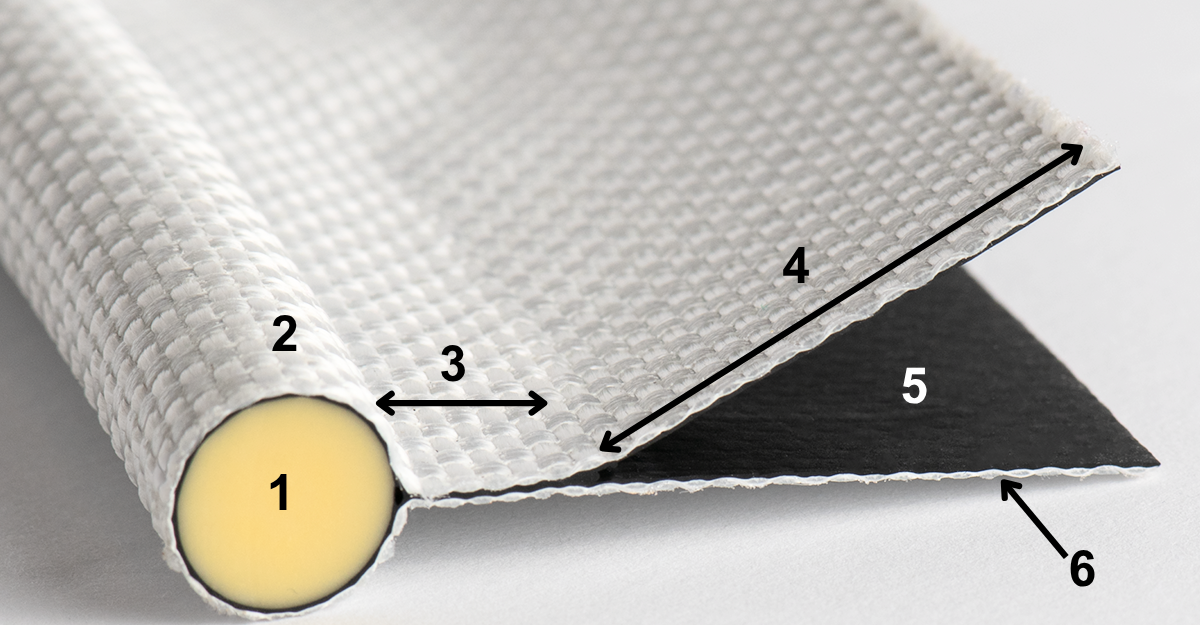
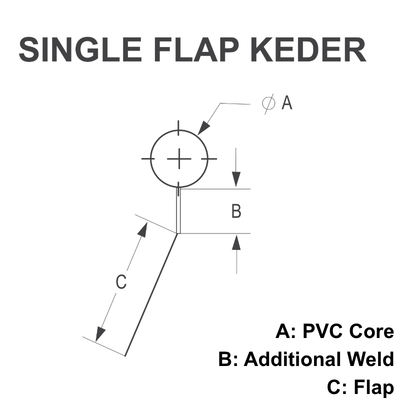
1. PVC Core (also known as keder cord) should be 2-3 mm. smaller than the rail opening.
2. Fabric is welded to the PVC Core for a strong bond.
3. Keder Weld Size – Keder fabric is welded a certain width after the PVC core.
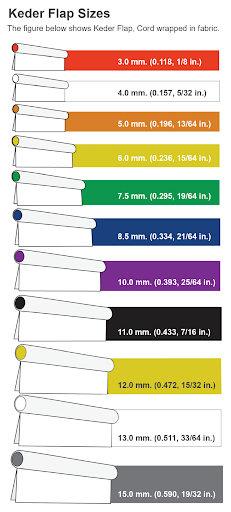
4. Keder Flap Size – The flap helps secure your fabric to the keder.
5. PVC vinyl allows the fabric to be welded to your material.
6. Keder fabric is woven on one side to easily slide through a rail.
There are three flap options available; single, double or welded flap. Single and double flap can be either sewn or welded to your fabric whereas the welded flap must be sewn to your fabric. Keder is very customizable. The core size, flap size, fabric material, bonding method, and even core shape can all be customized by the consumer.
There are many ways to mount fabric, but each method has its tradeoffs. Unlike ropes, ties, staples, clips, magnets, and other fastening methods, the Keder system provides a secure, reusable connection by sliding a reinforced fabric edge into a compatible track. This creates even fabric tension, helps form a tighter seal against rain and other elements, reduces fabric movement, and allows for quick installation, removal, and replacement. These advantages have made Keder a trusted mounting solution across a wide range of fabric applications.
How Keder Works
Keder is a fabric attachment system that creates a secure connection between a fabric and a mounting track. After the keder is sewn or welded to the edge of the fabric, it is inserted into a compatible keder track or keder rail. The woven fabric wrapped around the core helps reduce friction as it slides into the track, making installation more efficient while allowing the fabric to remain evenly tensioned.
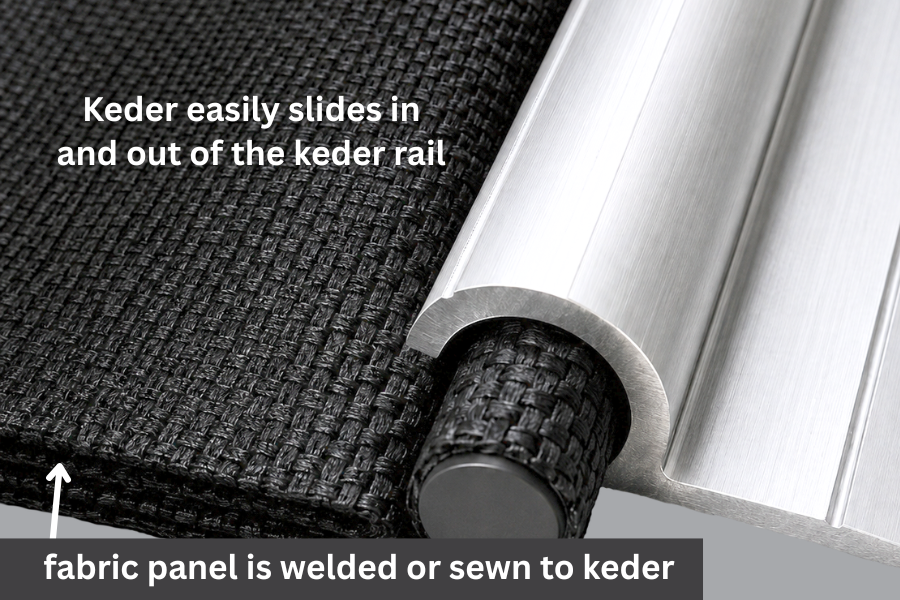
The system can also be easily removed and reinstalled when needed, making it suitable for applications where the fabric requires periodic replacement, maintenance, or transportation.
Keder Applications
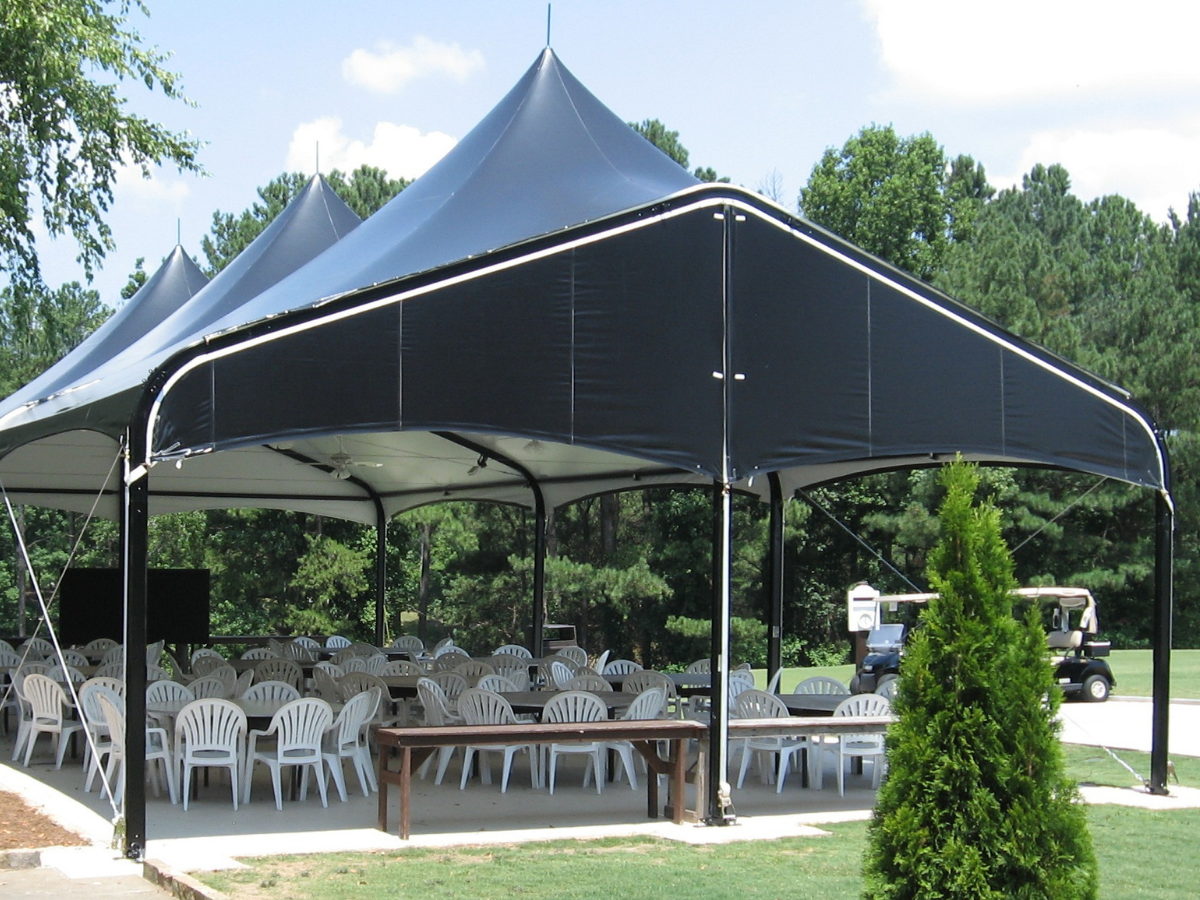
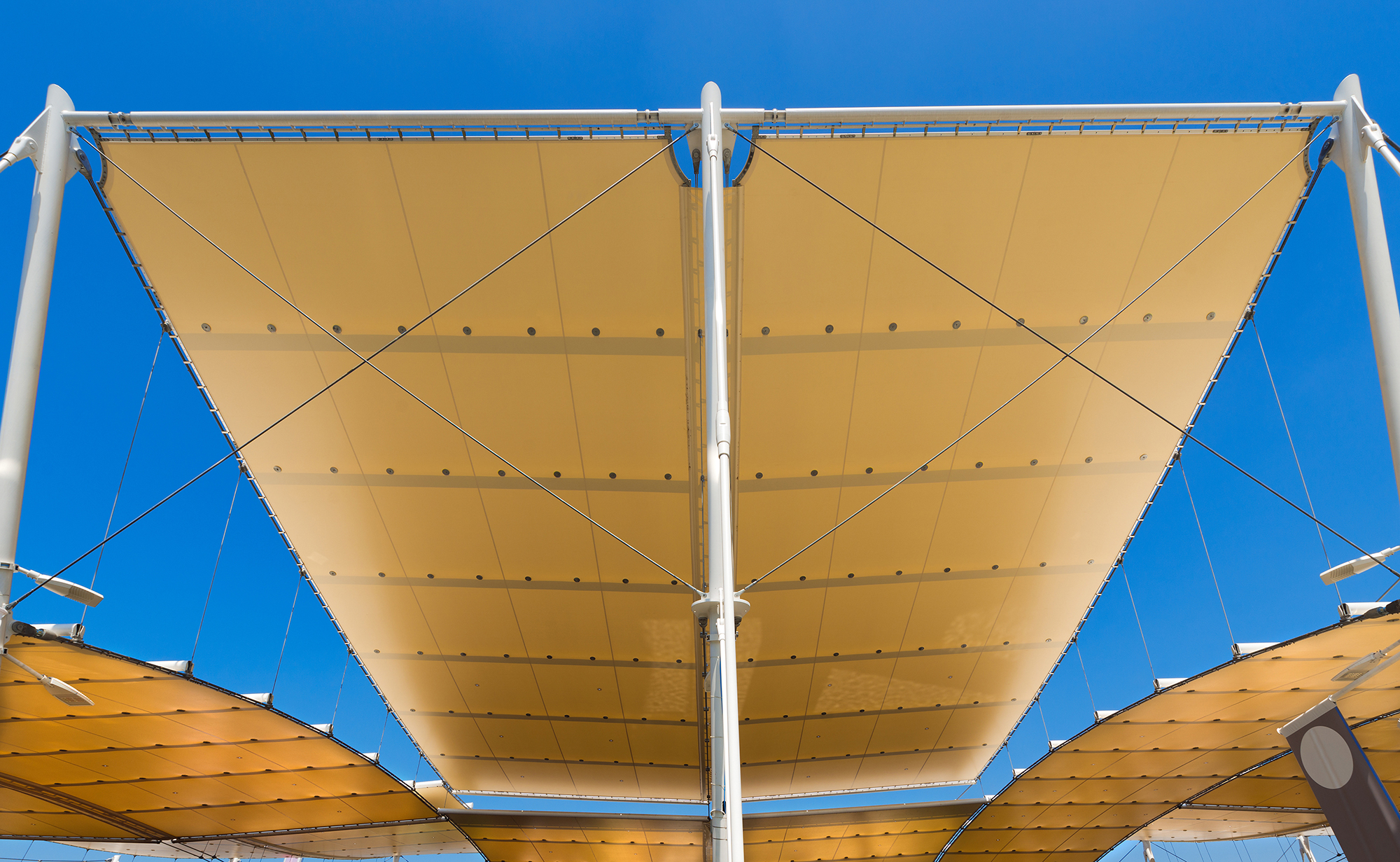
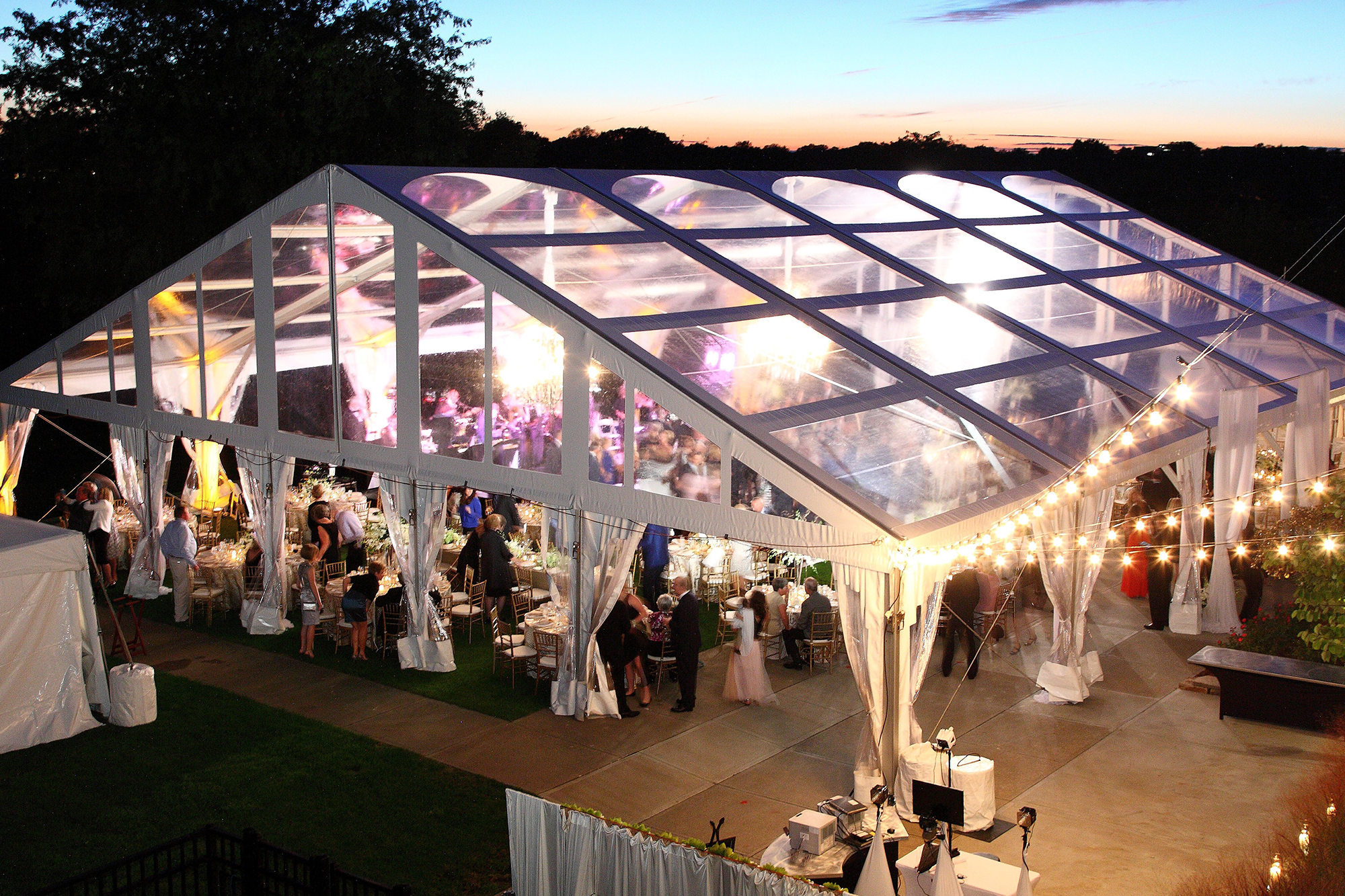
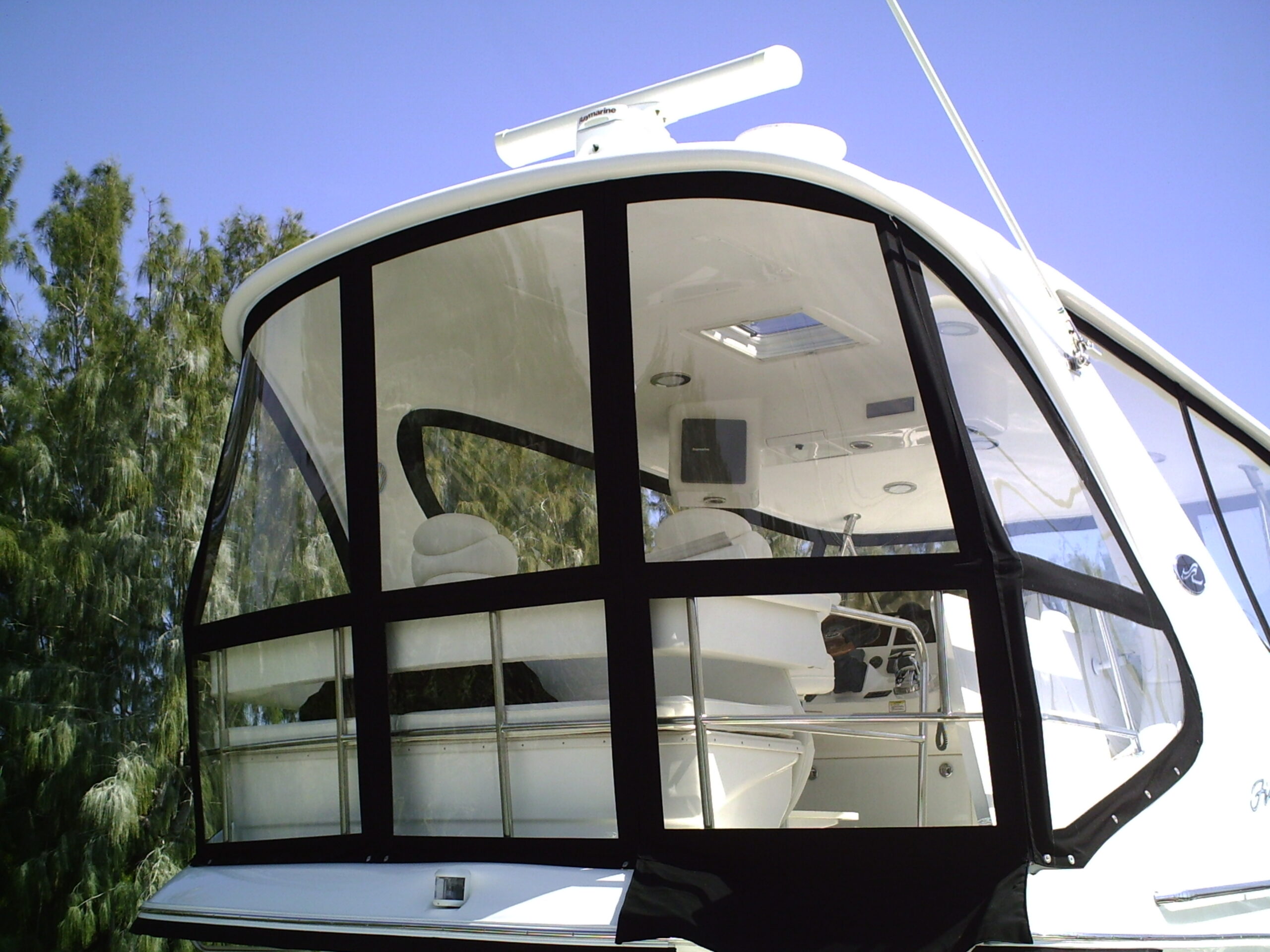
Keder’s flexibility has made it a staple across a wide range of industries, including temporary structures, awnings, banners, marine enclosures, and other fabric-based systems that rely on track-mounted attachment. In tents and structures, it creates a tight, weatherproof seal between vinyl tops, sidewalls, and aluminum frames. You’ll find Keder in everything from event marquees and clearspan structures to military shelters and agricultural enclosures. In signage, banners, and printing, keder mounts large format graphics onto aluminum frames for billboards, trade show displays, and light boxes, so users can swap out artwork without replacing the frame. In marine applications, keder attaches boat tops (bimini’s), curtains, and enclosures, and it’s also used to secure sails to masts and spars.
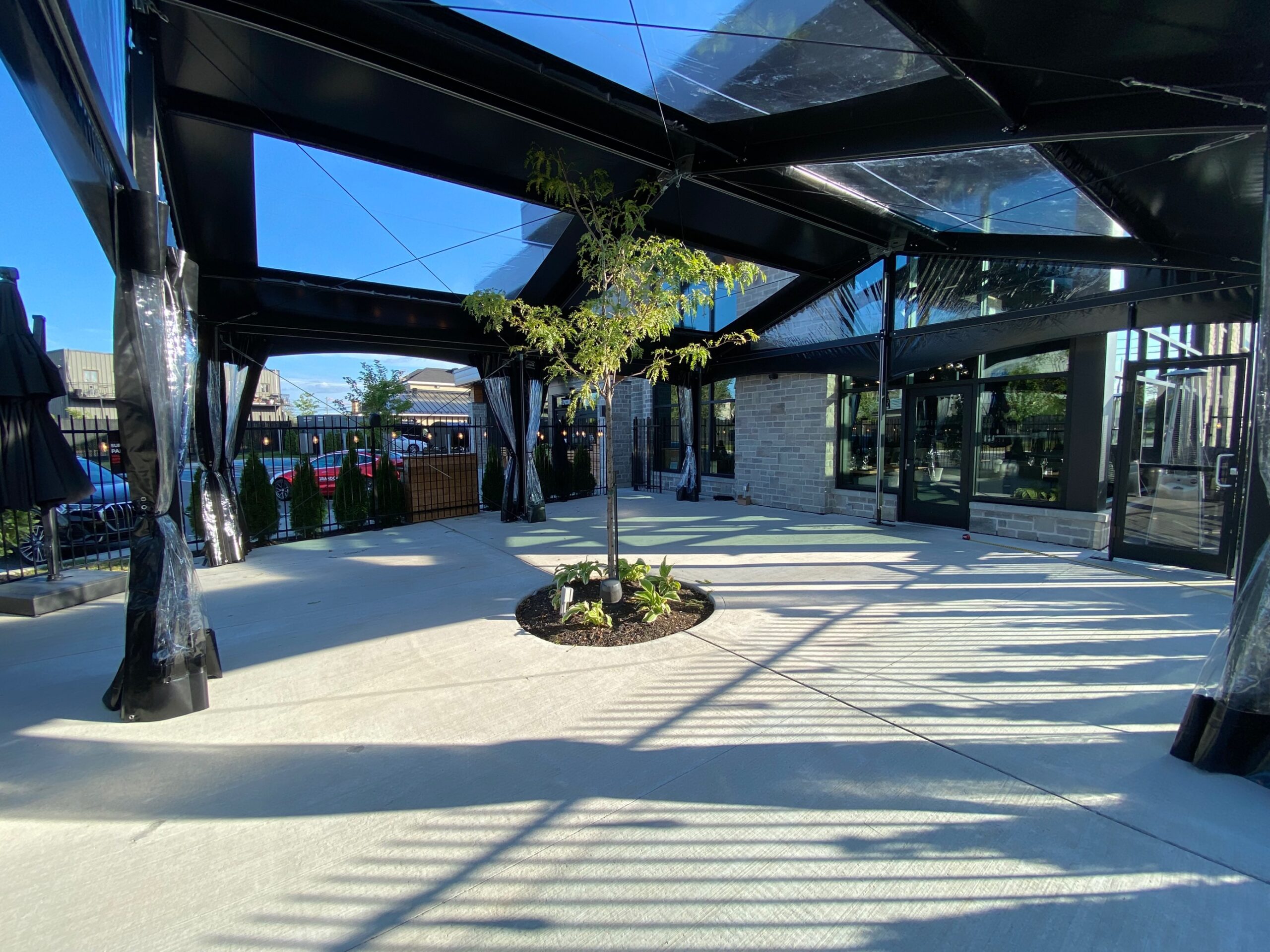
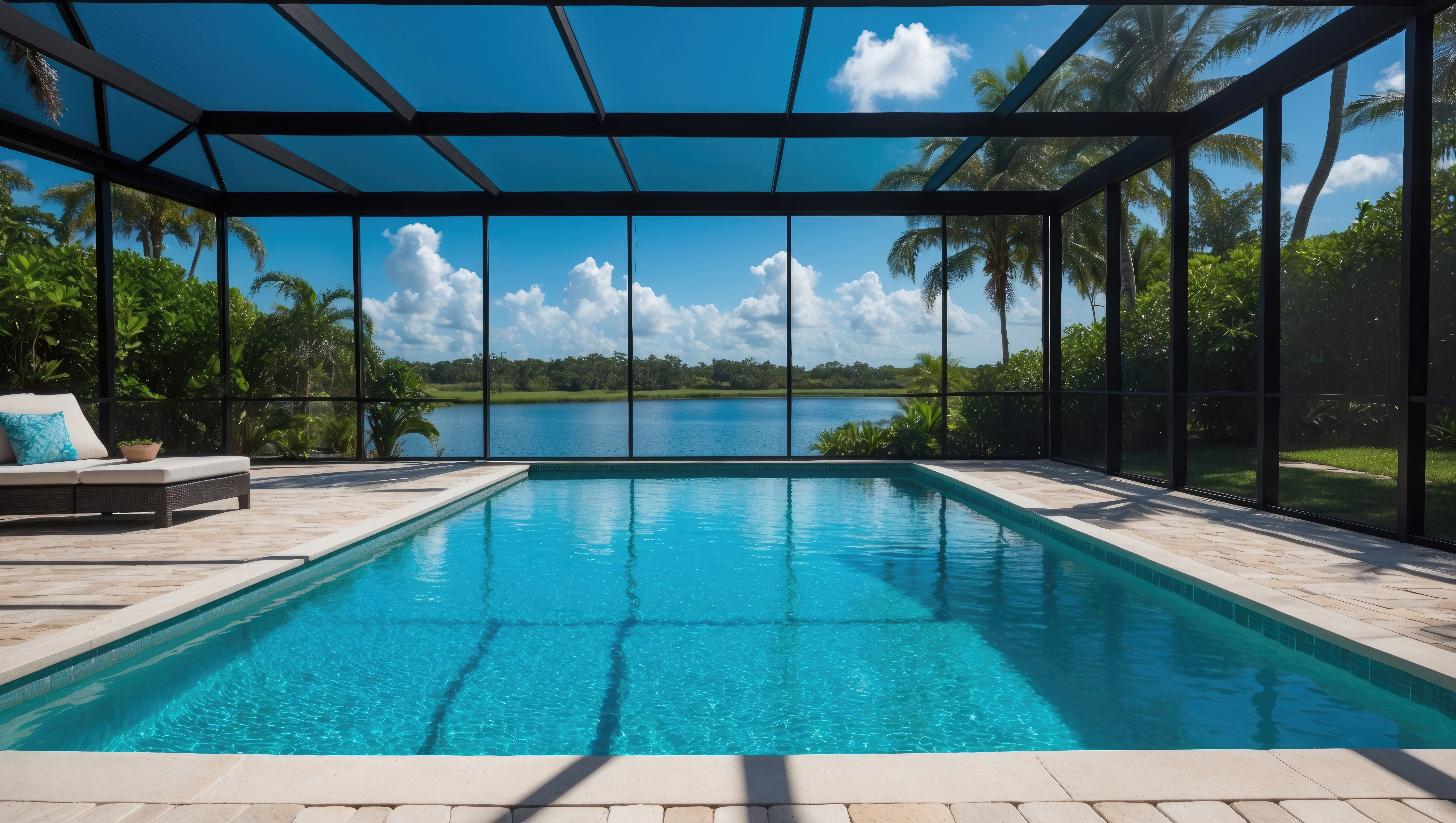
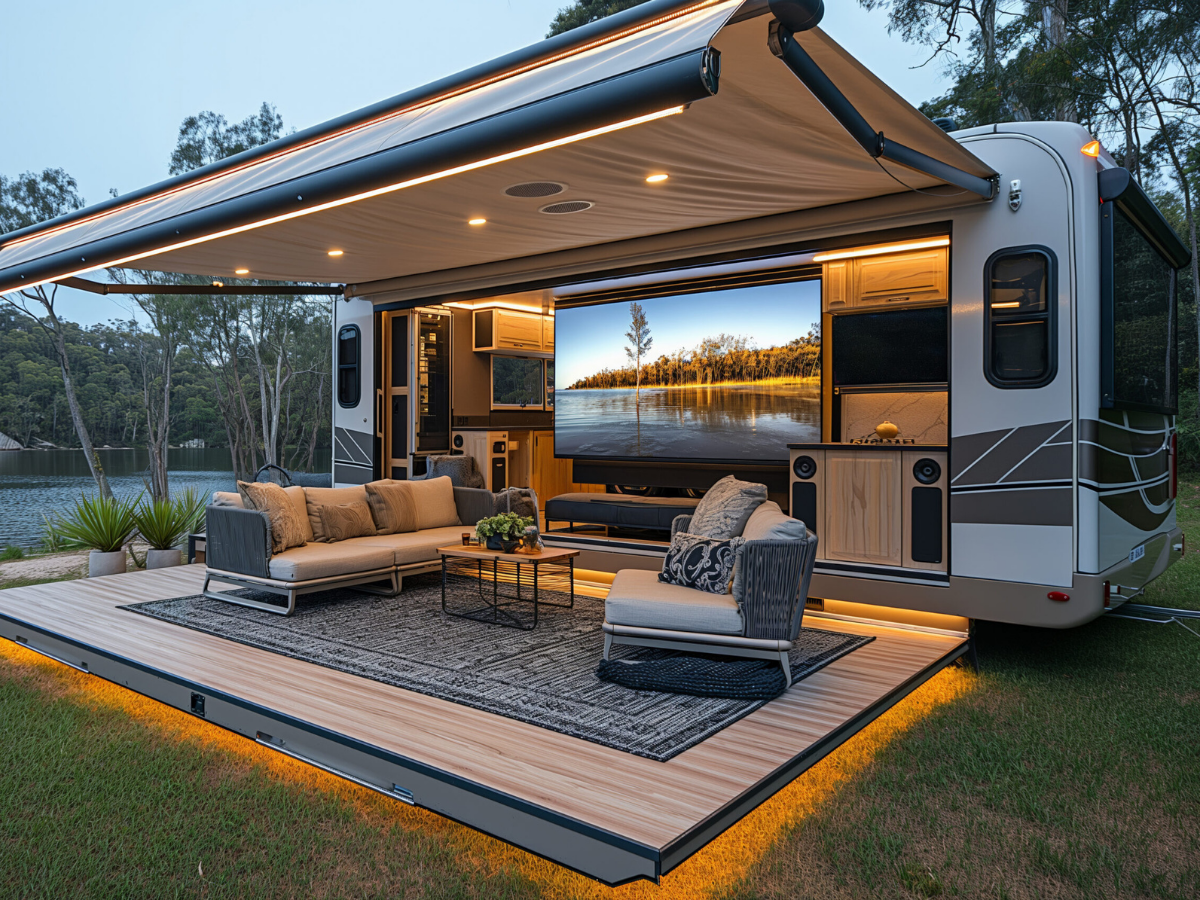
Keder shows up in plenty of other places too, anywhere fabric tension and a clean finish matter: awnings, RVs, pool and trampoline covers, patio furniture, enclosures, truck side signage, shades and blinds, architectural facades, and industrial tarpaulins built to handle wind and heavy loads. The right configuration depends on the application.
Single flap works well for awnings and canopies, double flap suits tenting and industrial curtains, and welded flap is the standard for marine work where space is limited and you need a waterproof seam.
What Keder to choose?
What Size Keder is Best for Your Project?
The appropriate keder size depends on the requirements of your application and the dimensions of the track it will be used with. Keder is manufactured in a variety of diameters to match specific keder tracks. The diameter of the keder core should be 2-3 mm. (1-2 mm. if measuring off keder) smaller than the inside diameter of the track to ensure a proper fit.
Using the correct size helps the keder fabric slide into the track smoothly while providing a secure connection once installed. Factors such as fabric weight, panel size, expected loads, and environmental conditions may also influence the appropriate keder size. Before selecting a product, it is important to verify the track dimensions and consult the manufacturer’s sizing recommendations to ensure compatibility.
Keder Fabric: General Information and Application
Keder Solutions® Keder Fabric options
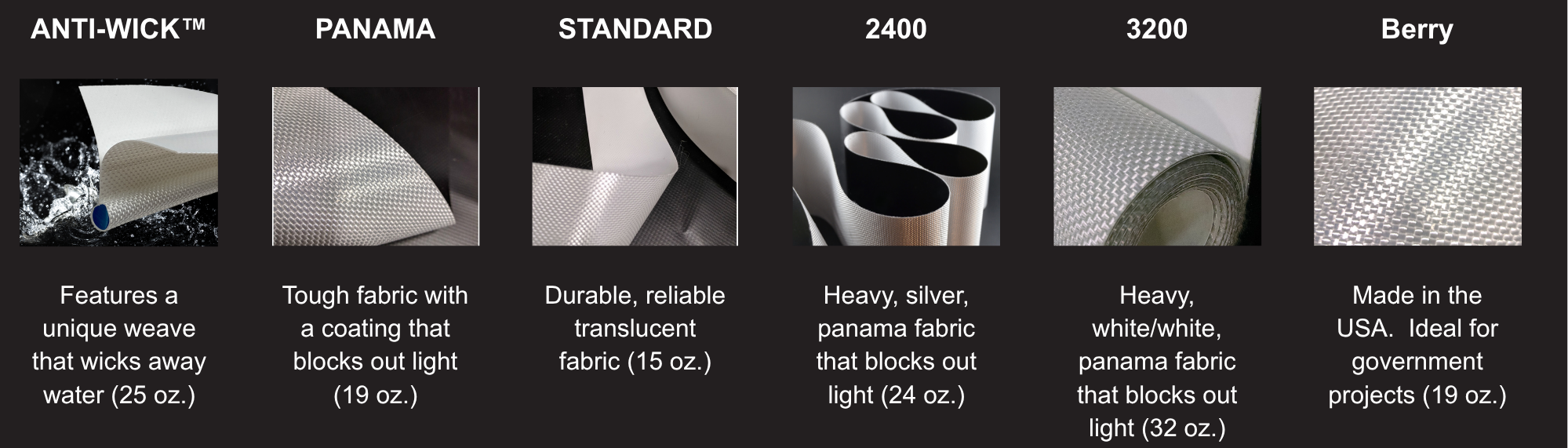
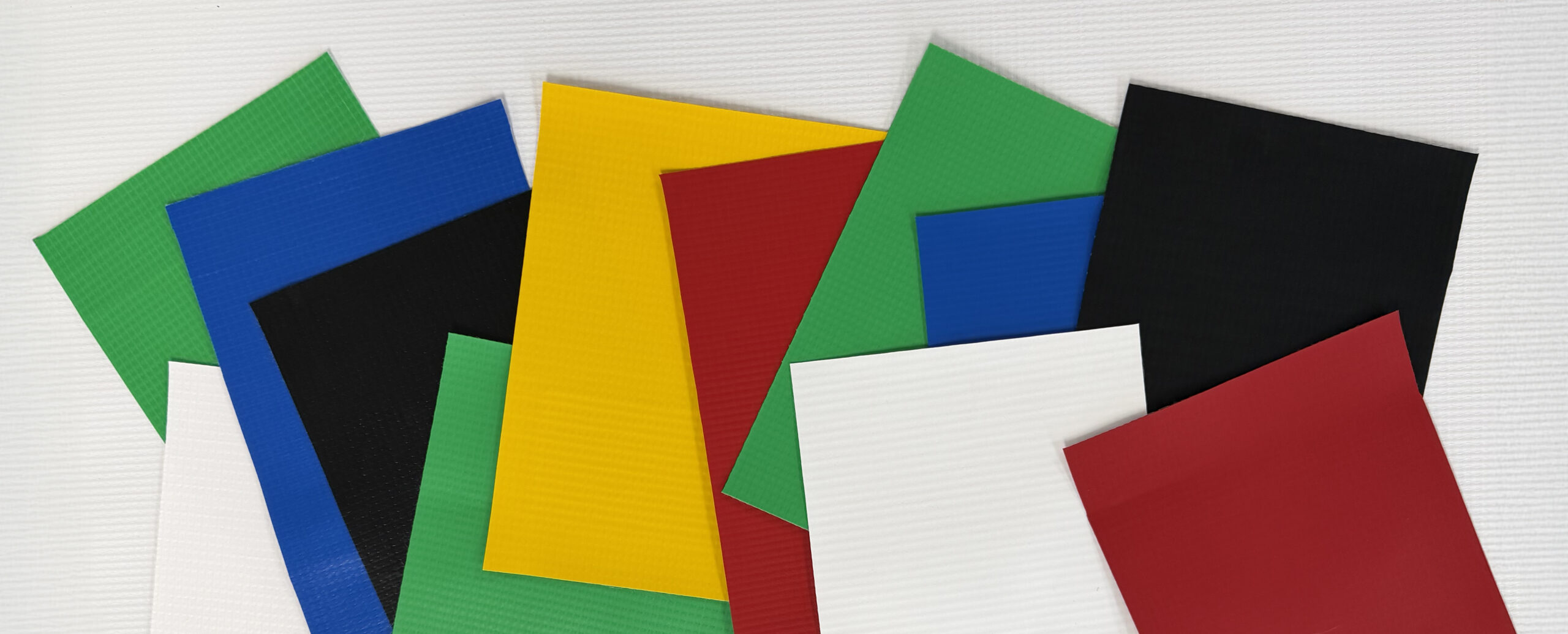
Keder is made by wrapping a polyester vinyl fabric around a PVC Cord, and several material options are available depending on the application. When selecting the appropriate keder fabric, key characteristics to evaluate include its tensile strength, overall cost, flexibility, and resistance to environmental conditions. Additionally, functional and aesthetic factors such as color, weave style, light-blocking capabilities, water resistance, and Berry Amendment compliance may influence the decision.
Single Flap vs. Double Flap vs. Welded Flap
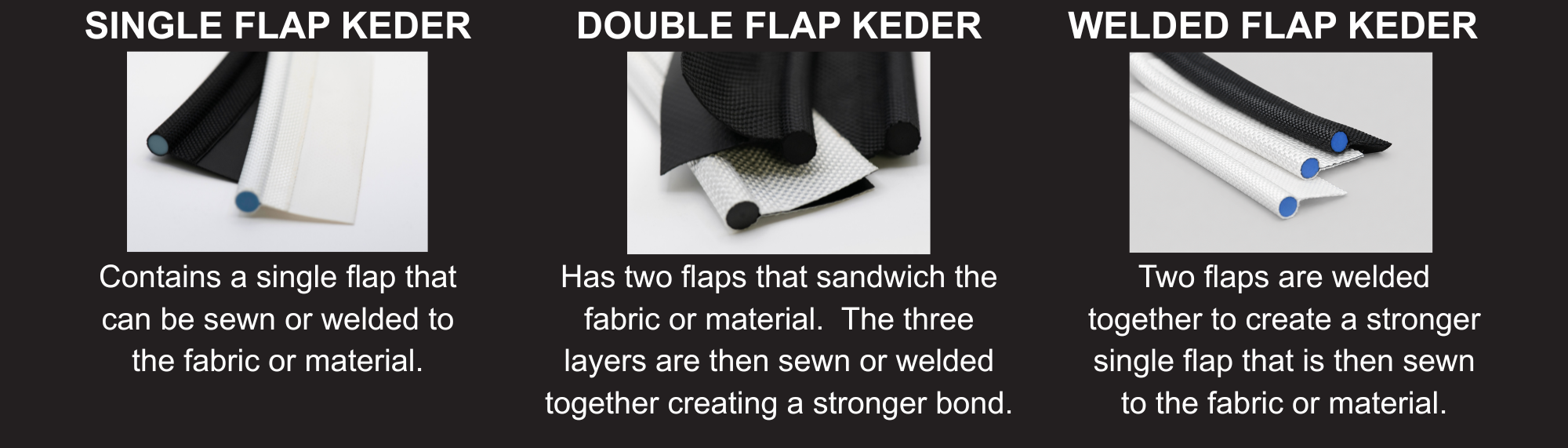
The flap configuration of keder affects how it is attached to a fabric panel and can influence seam strength, ease of fabrication, and the finished appearance. Single flap keder features one attachment flap and is commonly used for lighter-duty applications or when the fabric is attached from one side. It requires less material and is generally the simplest option to sew or weld, although it may provide less reinforcement than other configurations.
Double Flap Keder features a dual-flap design that sandwiches the fabric between two layers, creating an exceptionally strong, durable bond that resists pullout under high tension. It is engineered to distribute loads across a wider area of the fabric and create a stronger connection. It is commonly used for larger fabric panels, tension structures, and applications that experience higher loads.
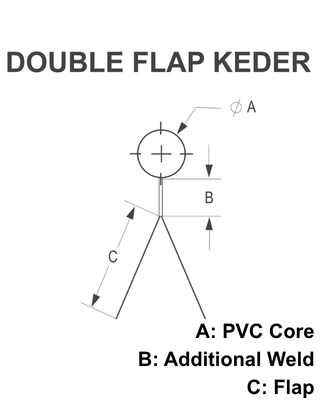
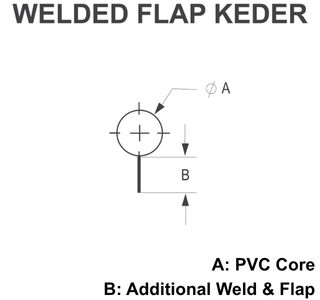
Welded flap keder is manufactured with a pre-welded PVC attachment flap then is sewn to the finished fabric rather than heat welded during fabrication. This style is widely used in the marine and awning industries because it provides the benefits of a PVC flap while allowing fabricators to use standard sewing equipment instead of specialized welding equipment. It is commonly selected by marine, roll up screen and door, and awning manufacturers as well as other fabricators who work with sewn products but want a durable, consistent keder attachment.
The choice between single flap, double flap, and welded flap keder ultimately depends on the fabric type, manufacturing process, and requirements of the finished application.
Other Keder Options
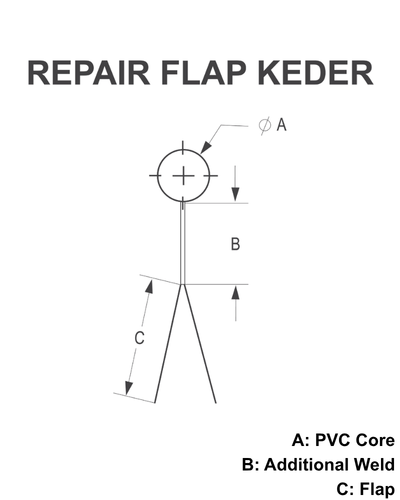
Repair Keder
The flap configuration of keder affects how it is attached to a fabric panel and can influence seam strength, ease of fabrication, and the finished appearance. Single flap keder features one attachment flap and is commonly used for lighter-duty applications or when the fabric is attached from one side. It requires less material and is generally the simplest option to sew or weld, although it may provide less reinforcement than other configurations.
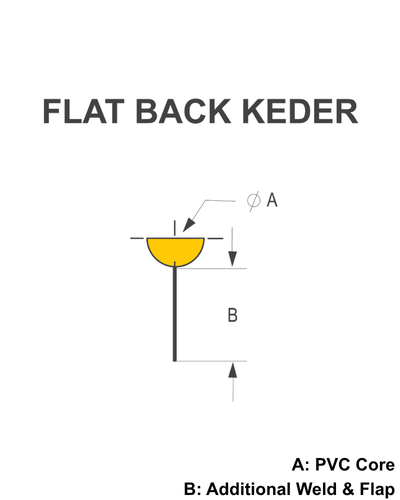
Flat Back Keder
The flap configuration of keder affects how it is attached to a fabric panel and can influence seam strength, ease of fabrication, and the finished appearance. Single flap keder features one attachment flap and is commonly used for lighter-duty applications or when the fabric is attached from one side. It requires less material and is generally the simplest option to sew or weld, although it may provide less reinforcement than other configurations.
Double Keder
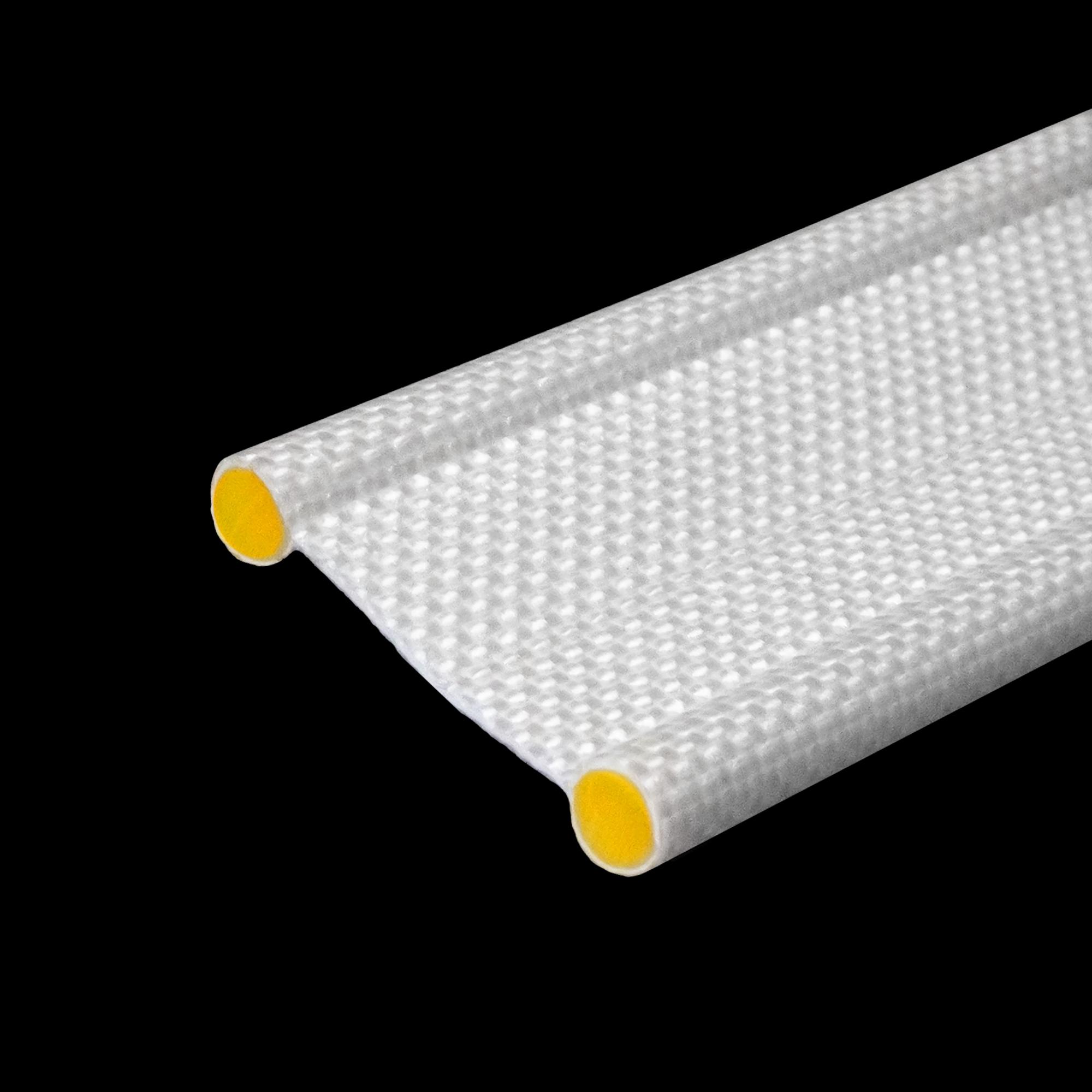
Double keder is a specialized fabric edge that features two parallel keder cords instead of the single cord used in standard keder. This design allows two separate pieces of fabric to slide into a compatible track, creating a strong, secure, and weather-resistant connection.
In the camping and RV industry, double keder is commonly used to connect an RV’s awning rail to a pop-up tent, annex, or drive-away awning. This creates a tight seal between the vehicle and the attached shelter, helping keep out wind and rain. In the tent and marquee industry, double keder is used to join roof and wall panels together. This allows modular structures to be assembled in different sizes while maintaining a continuous, waterproof connection between each section.
Welded vs. Sewn Keder
Keder can be attached to fabric using either heat welding or sewing, and the best method depends on the fabric type and the requirements of the application. Heat welded keder creates a continuous bond between compatible thermoplastic fabrics, such as PVC-coated and PVC-laminated materials, resulting in a waterproof seam and a clean, uniform finish. Sewn keder is compatible with a wider variety of fabrics, including acrylic, canvas, polyester, and other materials that cannot be heat welded.
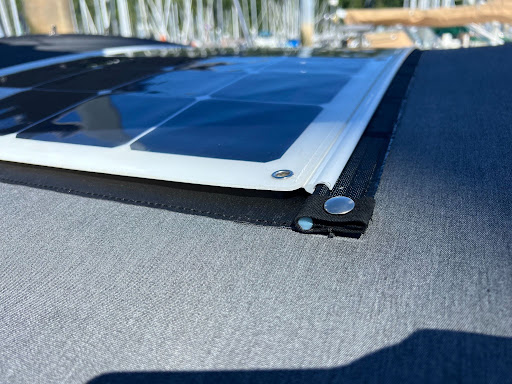
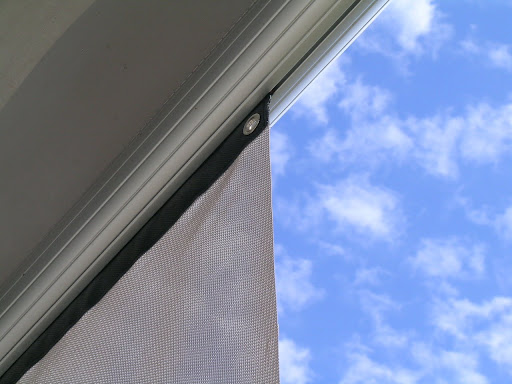
While a properly welded seam is generally stronger than a sewn seam on compatible PVC fabrics, sewn keder provides greater versatility and is often the preferred option for non-PVC textiles. Cost can also vary between the two methods, with sewing typically requiring less specialized equipment, while heat welding may involve higher initial manufacturing costs. When choosing between welded and sewn keder, consider the fabric type, required seam strength, weather resistance, and the intended use of the finished product.
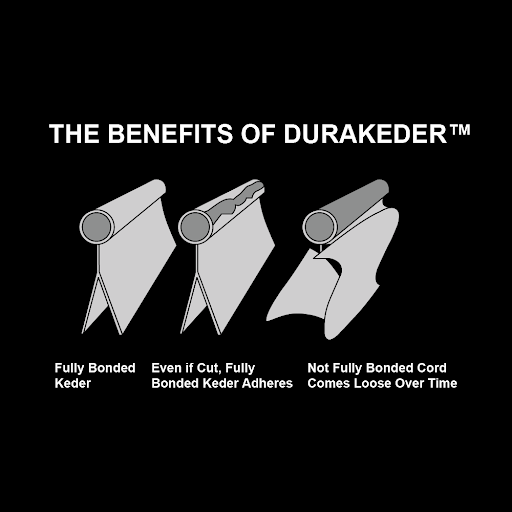
Durakeder™ – Fully Bonded Keder
Durakeder™ (fully bonded Keder) features a core that is completely welded to the surrounding fabric. In some Keder products, the fabric is simply wrapped around the core and bonded to itself at just one point, leaving the core unattached. While this construction may perform well initially, repeated installation, removal, and long-term use can cause the seam to wear or tear, allowing the core to separate from the fabric and rendering the Keder unusable. With Durakeder™, the core remains permanently bonded to the fabric, so even if the outer material becomes worn or damaged, the core stays securely in place, providing greater durability and a longer service life.
Choosing the Right Fabric for your Project
Selecting the appropriate fabric, to attach to your keder, depends on the intended use of the finished product and the conditions it will be exposed to. Fabric weight, construction, and coating all influence durability, light transmission, and overall performance.
Denier refers to the thickness of the yarns used to manufacture the fabric. Higher denier fabrics generally provide greater strength and abrasion resistance, making them better suited for demanding or long-term applications, while lower denier fabrics are often lighter and more flexible.
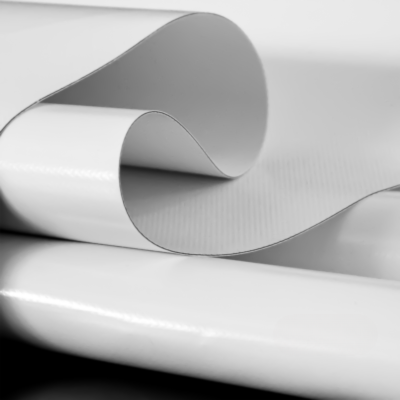
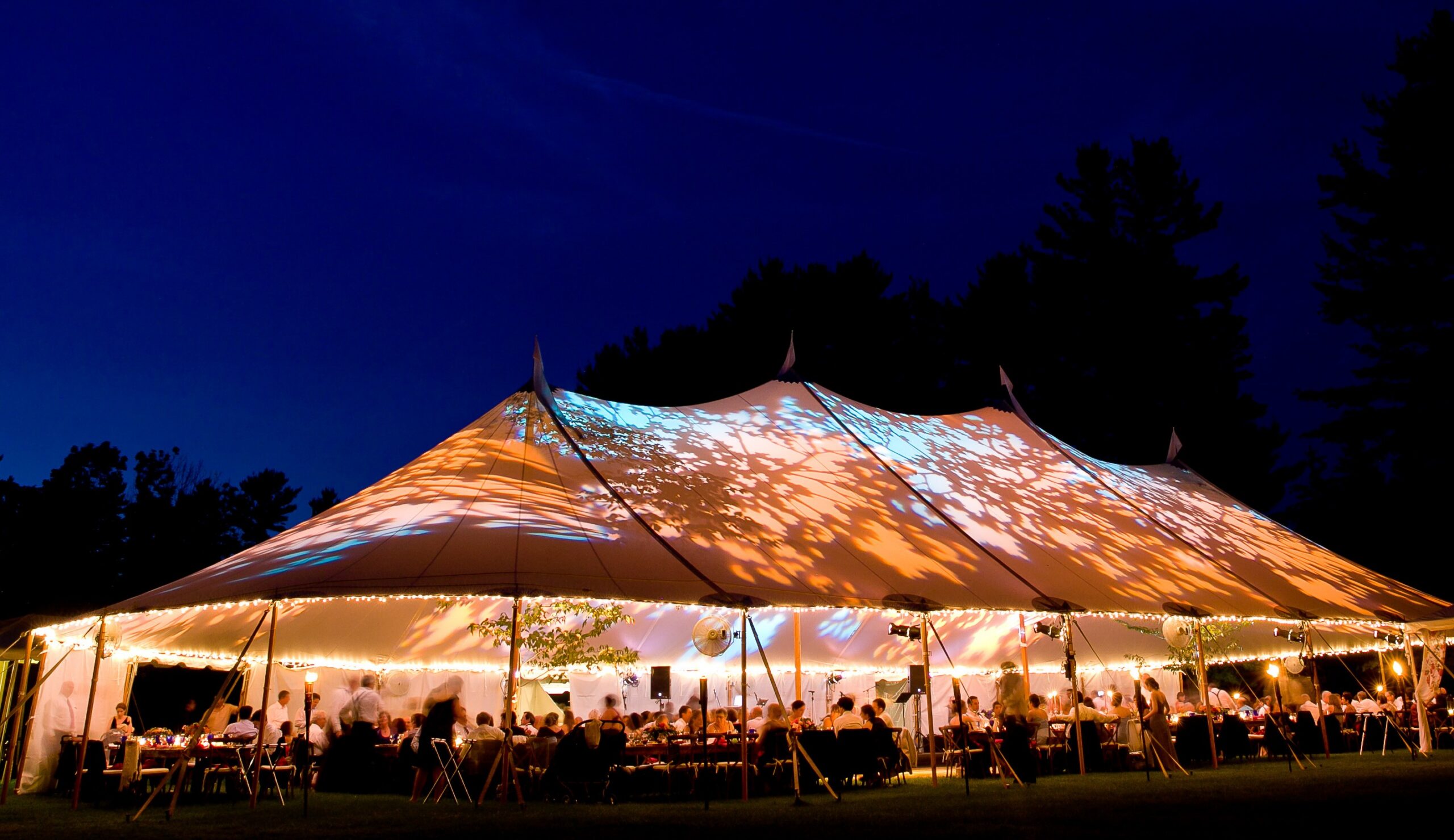
When deciding between translucent and blockout fabrics, consider the amount of natural light needed inside the structure. Translucent fabrics allow daylight to pass through, helping create a brighter interior without artificial lighting. Blockout fabrics block light, providing privacy and reducing solar heat gain, making them suitable for applications where light control is important.
Another consideration is PVC laminated versus PVC coated vinyl fabric. PVC laminated fabrics consist of a PVC film bonded to a woven base fabric and are commonly used for general-purpose applications. PVC coated fabrics have the PVC applied directly to the base fabric, creating a stronger bond that typically offers greater durability, improved tear resistance, and longer service life in demanding environments.
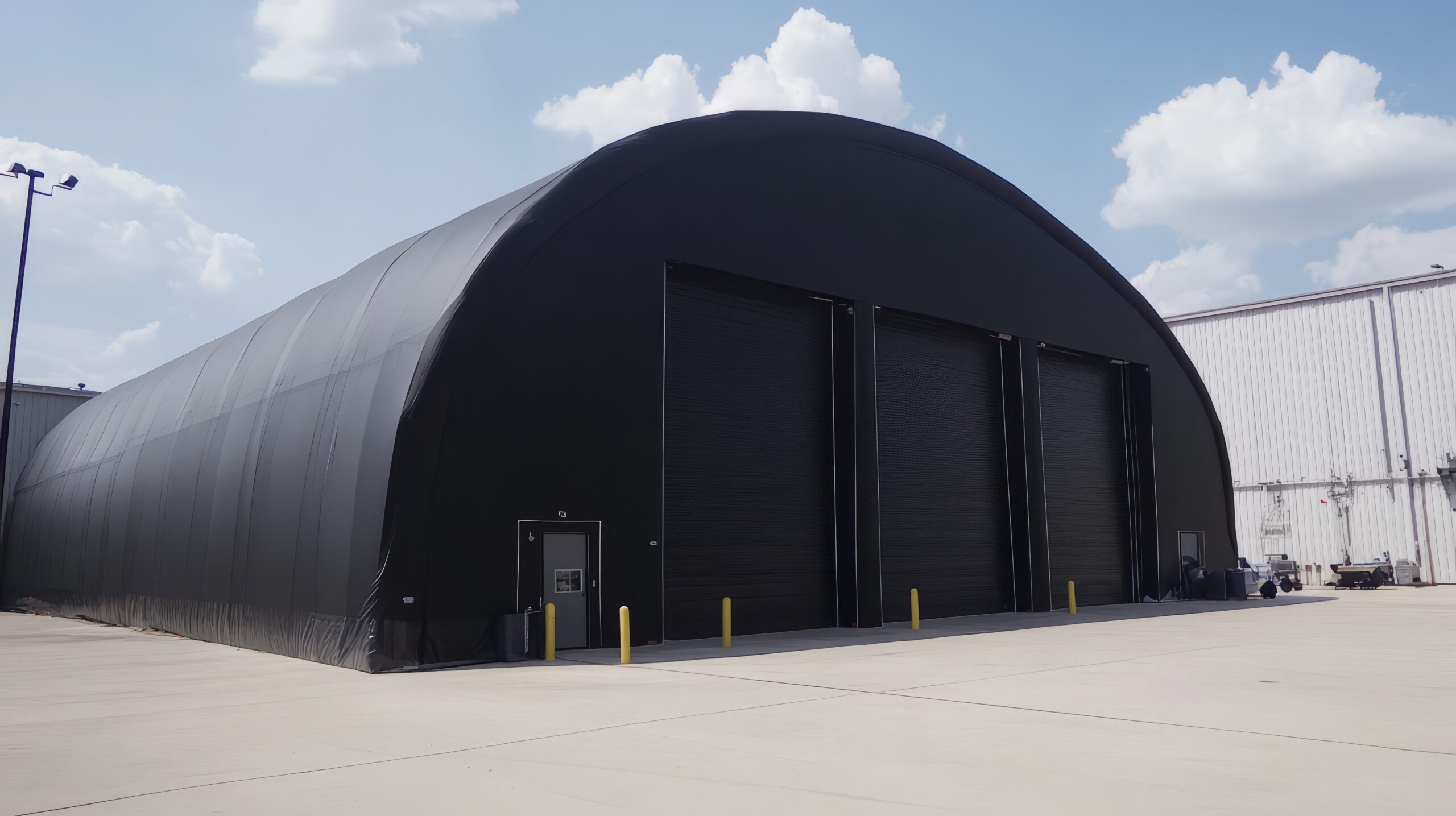
The size of the structure also plays a role in fabric selection. Smaller tents and fabric structures may perform well with lighter-weight materials, while larger structures often require heavier, higher-strength fabrics that can better withstand increased tension, wind loads, and environmental exposure. Matching the fabric to the size and intended use of the structure helps ensure the material performs as expected over its service life.
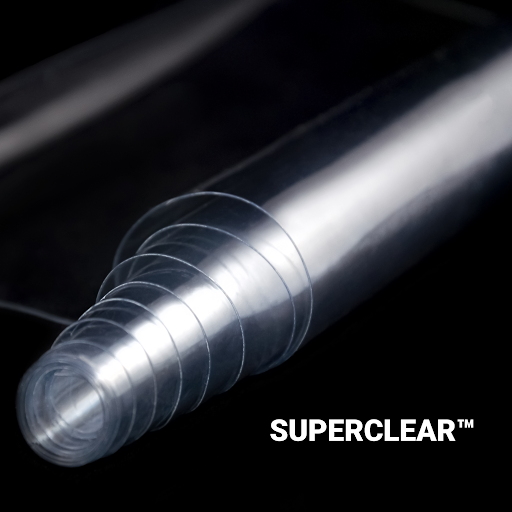
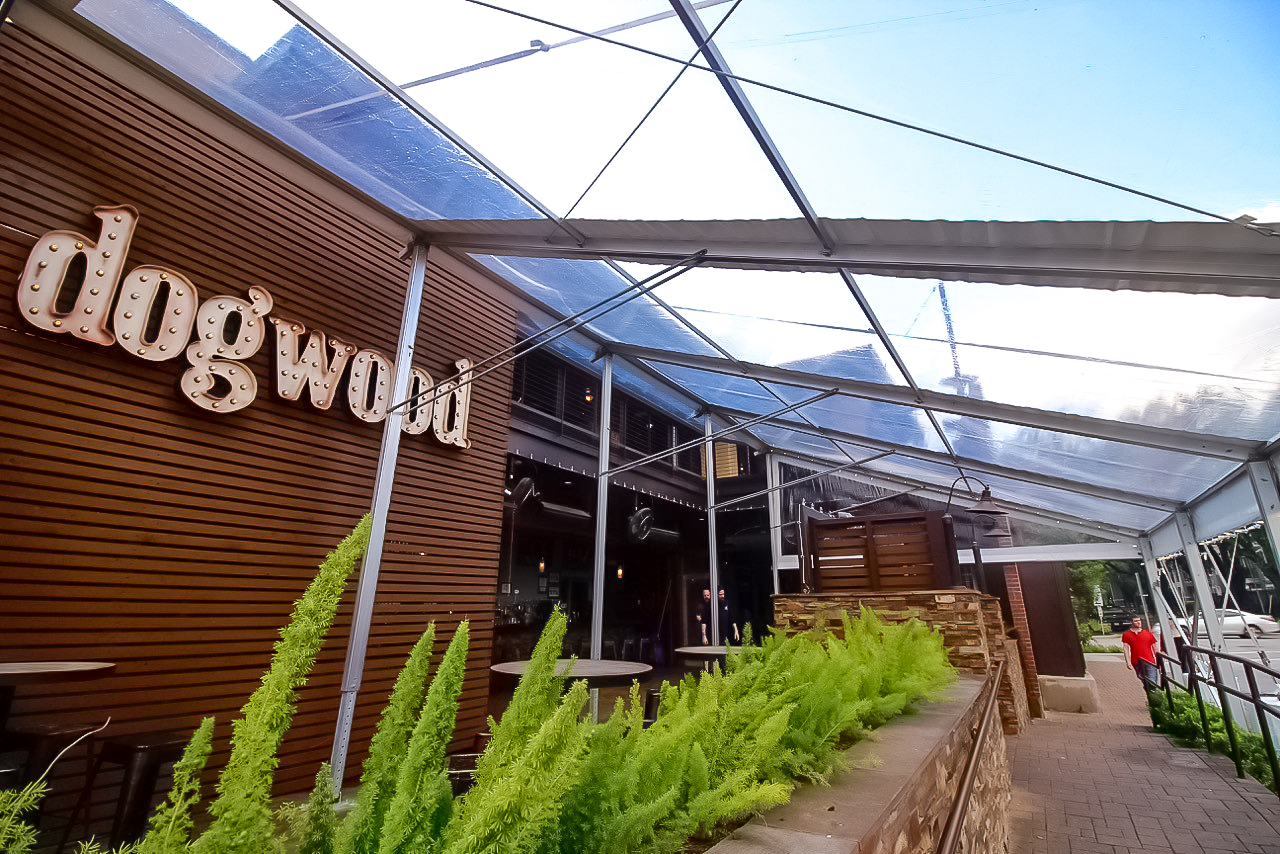
Transparent Vinyl Fabric
Transparent fabrics are designed to provide clear visibility while maintaining protection from the surrounding environment. Commonly used for sidewalls, windows, patio enclosures, and marine applications, these materials allow natural light to enter while preserving sightlines. Transparent fabrics are available in a range of thicknesses and finishes, with the appropriate choice depending on factors such as flexibility, clarity, weather exposure, and the application’s durability requirements. Regular cleaning and proper storage can help maintain optical clarity and extend the material’s service life.
Keder Rail: General Information and Application
For a complete fabric mounting system, Keder Rail is just one piece of the puzzle. Keder slides into a rail or track that’s mounted in place. The diameter of the rail typically ranges from 3mm to 20mm. The size you will need depends on the outside diameter of your keder and the load the system needs to handle. The intended application and size of the structure can also play an important role. Larger structures and those exposed to higher wind, rain, or snow loads often require larger Keder and rail sizes to provide greater strength, maintain proper fabric tension, and span longer distances between structural supports.
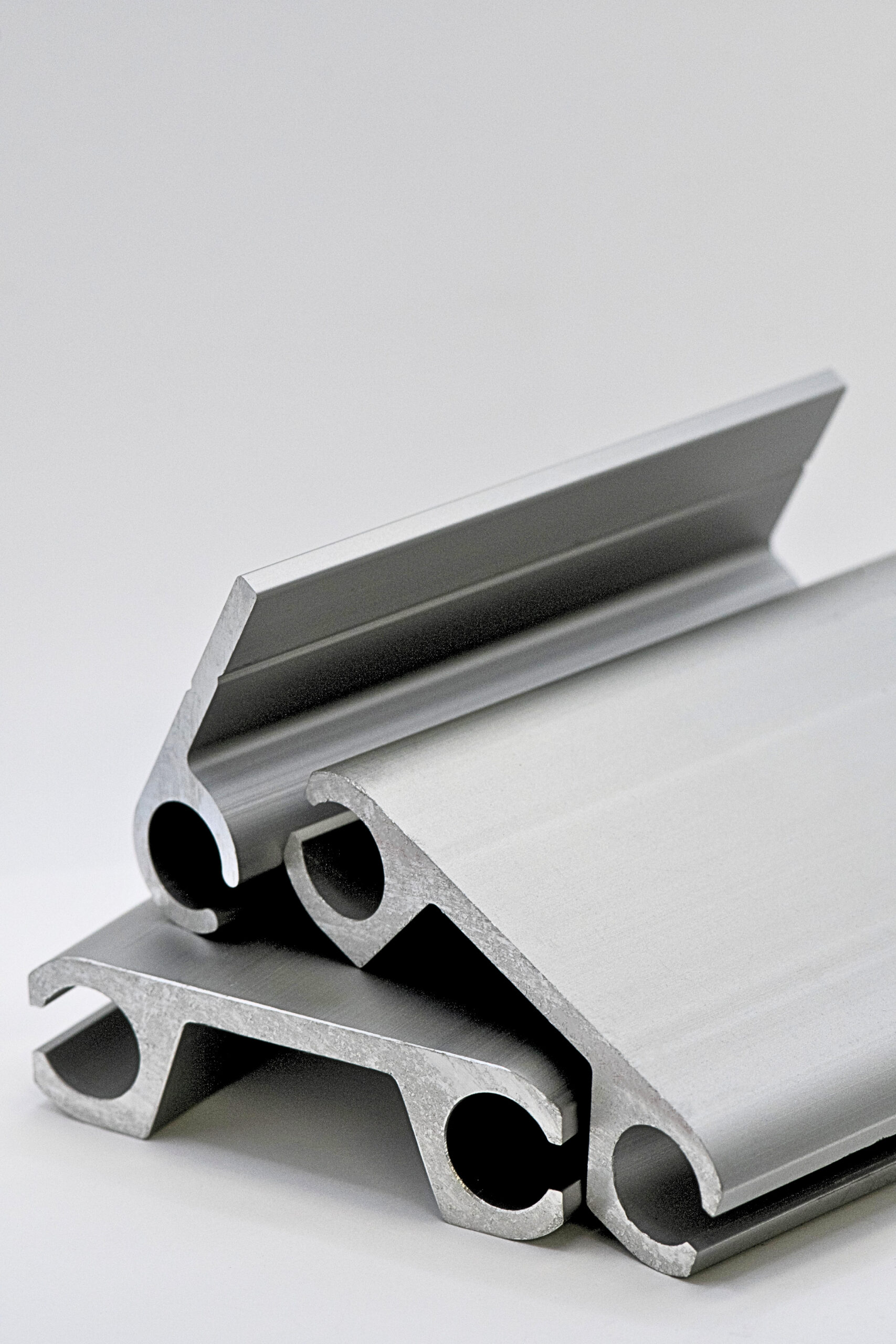
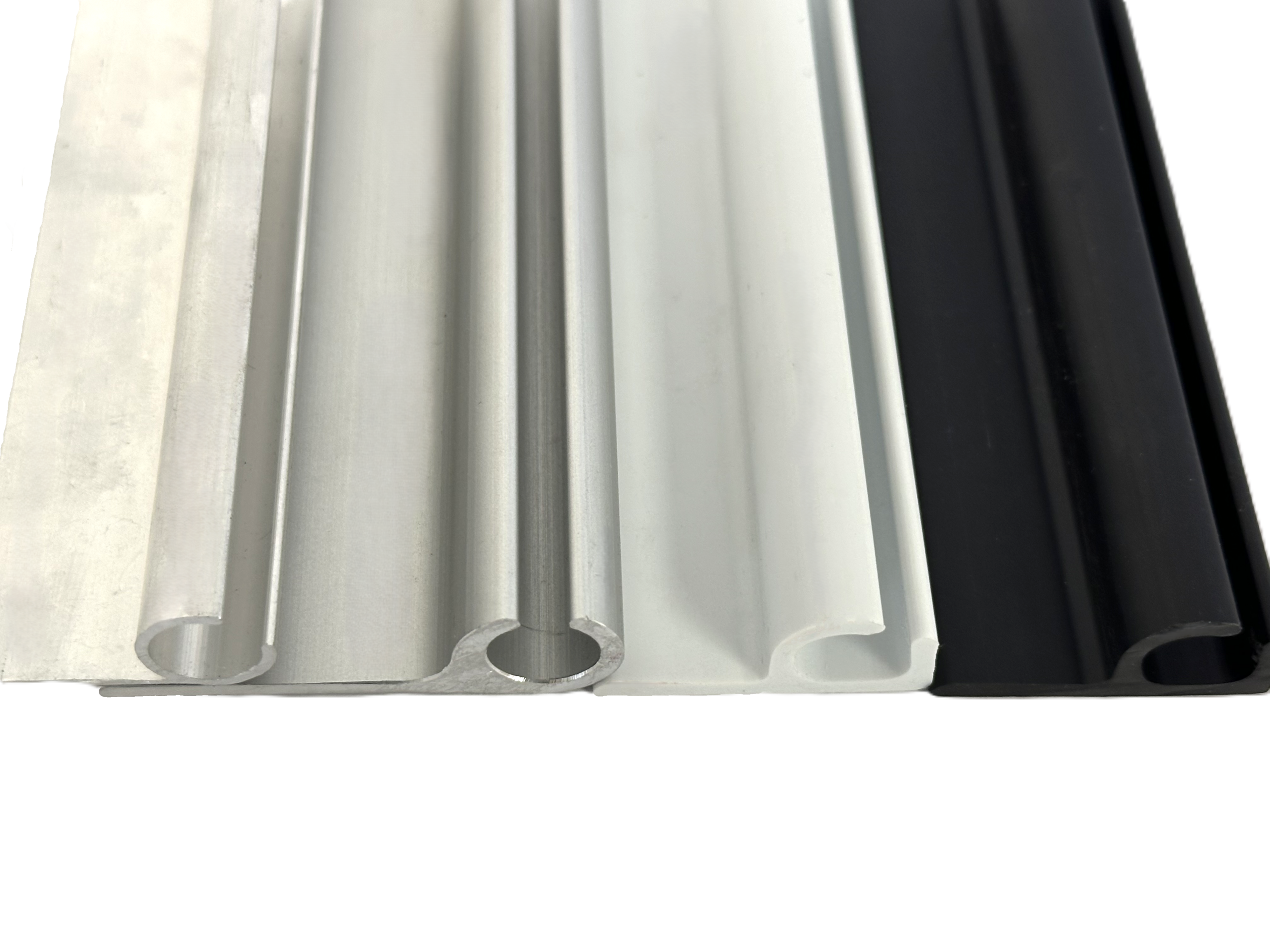
Material matters too. Keder Rails are typically made out of PVC or aluminum. The aluminum can be anodized for a more finished look and to protect against oxidation in the harshest indoor/outdoor conditions. Or the aluminum can be left in a mill finish which allows the customer to customize the finish.
PVC Rails
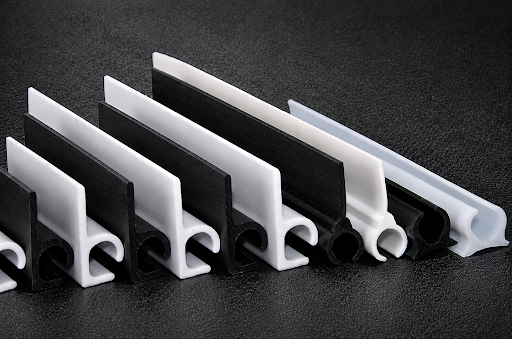
PVC rails are a lightweight, cost-effective option for many fabric mounting applications. Their smooth surface allows Keder to slide through the rail with minimal resistance, reducing friction during installation and removal. PVC rails can also be heated and formed to match curved frames or arched structures. The main drawback is durability. Prolonged exposure to UV rays and harsh weather can cause PVC to become brittle and crack over time, as it does not offer the same strength as aluminum. PVC rails are used in marine, awning, signage, and tenting/temporary structure applications.
Mill Finish Aluminum Rails
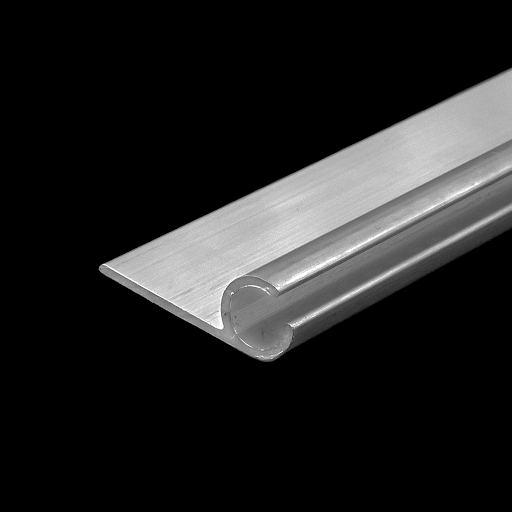
Mill finish aluminum rails provide greater strength than PVC while remaining lightweight and cost-effective. They are well suited for applications that require increased durability without a significant increase in weight. Because the aluminum is unfinished, the surface can be rougher than anodized aluminum, which may increase wear on the Keder during repeated installation and removal. In outdoor or marine environments, unfinished aluminum can also develop oxidation or surface corrosion over time. Mill finish aluminum rails are used in interior structures, marine, awning, signage, roll up screen and door applications.
Anodized Aluminum Rails
Anodized aluminum rails are the most durable option. The anodized finish creates a smooth, hard surface that allows Keder to slide easily through the rail while also improving resistance to wear, corrosion, and other elements. Although slightly more expensive than PVC or mill finish aluminum, anodized aluminum offers excellent long-term performance and is often the preferred choice for demanding applications where durability and longevity are priorities. Anodized aluminum rails are used in large permanent and temporary structures, awning, marine, and truck tarp applications.
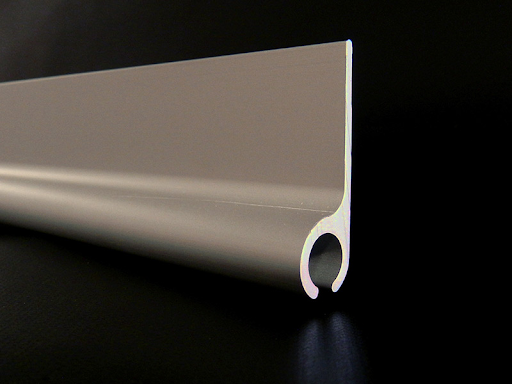
Keder Rail Profiles and Configurations
Keder rails are available in several profiles to suit different applications and mounting requirements. Common profiles include straight, awning, 90°, square, single, double, and triple rails. Straight, awning, and 90° rails describe the angle at which the Keder exits the rail in relation to the mounting surface. A straight rail allows the fabric to run parallel to the mounting surface, a 90° rail positions the fabric perpendicular to it, and an awning rail provides an intermediate angle of approximately 45°, making it ideal for awnings and similar applications. Square rails feature a square exterior profile, making them easy to mount to flat surfaces while providing a clean, finished appearance.
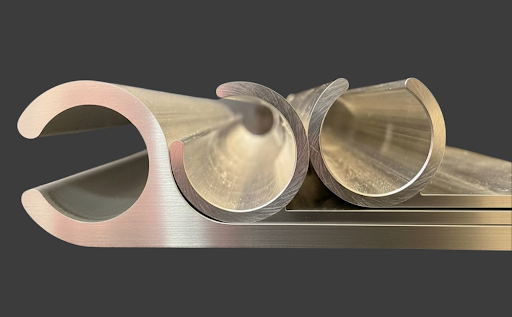
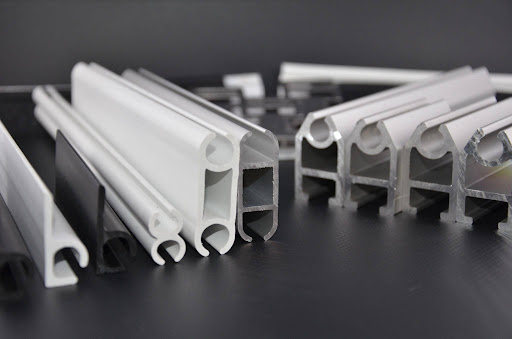
Single, double, and triple rails refer to the number of Keder channels built into the rail. A single rail is the most common option and is suitable for the majority of applications. Double rails allow two fabric panels to connect to the same rail, making them ideal for joining large fabric sections. In temporary structures, for example, a double rail can be mounted to a center support beam to securely connect two roof panels while maintaining a tight, weather-resistant seal. Triple rails offer three channels, allowing multiple fabric panels or accessories to be mounted from a single rail when more complex installations require additional attachment points.
From fabric selection and Keder construction to rail materials and configurations, every component plays a role in the performance of a fabric mounting system. Taking the time to understand these options will help ensure your project is built for durability, efficiency, and long-term success.
If you’re unsure which Keder, fabric, or rail is best for your project, the experts at Keder Solutions® and Keder MacroPrint™ are here to help you find the right solution.
Contact us with any questions:
Keder Solutions: (888) 727-7050 | sales@kedersolutions.com
Keder MacroPrint: (602)892-1000 | sales@kedermacroprint.com